
5 Common Mistakes in Commercial Building Design in Saudi Arabia (And How to Avoid Them)
Objective
To help developers and business owners avoid common commercial building design mistakes in Saudi Arabia through smart, compliant, and sustainable architectural planning.
Key Takeaways
- Climate-responsive design is essential for reducing energy costs and improving building performance in Saudi Arabia.
- Efficient space planning enhances functionality, productivity, and user experience.
- Compliance with Saudi Building Code (SBC) and local regulations helps avoid delays, fines, and costly rework.
- Future-ready designs allow for easier expansion and adaptation to changing business needs.
- Sustainable building practices lower operating costs, increase property value, and support long-term success.
- Working with experienced local architects helps ensure commercial projects are functional, compliant, and built for the Saudi market.
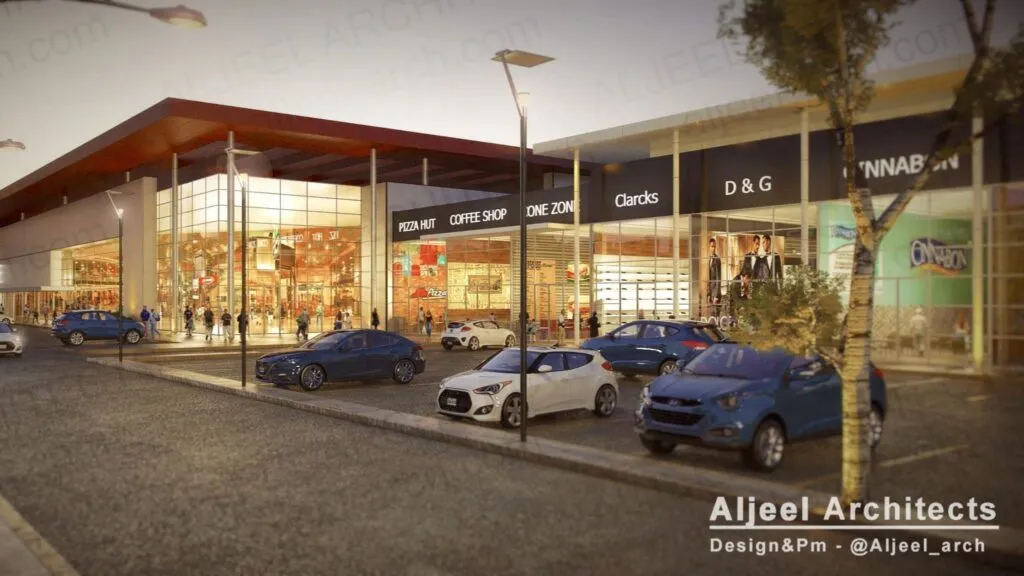
The Saudi Arabian commercial real estate market is booming, but too many projects still fail due to avoidable design mistakes. The five biggest mistakes are not planning for climate responsiveness, inefficient use of space, not complying with local codes, ignoring future scalability, and not following sustainability standards. Doing it right the first time when committing to commercial business design saves time and money and expensive changes down the road. This guide begins with a quick look at commercial architecture trends affecting the country before getting into the five biggest mistakes and practical solutions.Aljeel Architects is the right place to get functional, climate-smart, and code-compliant designs for Saudi Arabia’s unique business landscape. Whether it’s a retail complex, an office tower, or a mixed-use development, our team makes sure your project doesn’t fall into these traps from day one.Ready to begin your project now? Contact Aljeel Architects for a free consultation today!Lorem ipsum dolor sit amet, consectetur adipiscing elit. Ut elit tellus, luctus nec ullamcorper mattis, pulvinar dapibus leo.
Ready to Design Your Future Project?
Let’s discuss your architectural vision and turn it into reality.
Why is Climate Responsive Design So Important in Saudi Arabia?
Standard architectural templates can’t withstand Saudi Arabia’s extreme heat, dust storms, and intense sunlight. Many buildings have generic layouts without taking into consideration the specific orientation, shading, and ventilation needs of the region.
Without it, energy bills soar, indoor conditions become unpleasant, and building materials deteriorate prematurely. Good structure planning considers sun paths, prevailing winds, and local temperature swings from the initial stages of design.
How to prevent it: Partner with architects experienced in desert climate engineering, including features like shaded facades, double-glazed windows, and natural ventilation paths.
What Are Common Space Planning Mistakes?
Poor space utilization is one of the most expensive mistakes in commercial projects. Many owners are more concerned with square footage than functionality, resulting in awkward layouts that negatively impact productivity and customer flow.
Typical problems are:
- Wasteful circulation patterns that take up valuable floor area
- Abysmal parking ratios for Saudi traffic patterns
- Rest rooms, storage and utility rooms poorly sited
- No flexible zones for future changes in tenants.
- Disregarding accessibility requirements for all users
A well-thought-out layout balances the practical, day-to-day operational needs with form.
Are Saudi Building Codes Being Overlooked?
Yes, the building regulations in Saudi Arabia have dramatically changed, and particularly with the vision of 2030, it is encouraging the implementation of better safety, fire protection, and structural regulations. Some developers use old code and copy designs from other regions without adapting them to local needs. This leads to serious risks such as failed inspections, project delays, and expensive rework. And compliance is not optional, it’s fundamental.
How to prevent it: Team up with a commercial building design company that is current with Saudi Building Code (SBC) requirements and municipality rules in cities such as Riyadh, Jeddah, and Dammam.
Expert Architecture. Exceptional Results.
Whether residential, commercial, or mixed-use, our team provides creative solutions that bring your project to life.
Why Is Future Scalability Often Ignored?
Many commercial buildings are designed for the immediate need only, with no thought to expansion, technology upgrades, or changing business models. A few years later, owners have to pay for costly renovations or leave.
Good design plans for growth by including:
- Modular structural systems for easy expandability
- Future load-flexible electrical and HVAC capacity
- Flexible interior partitions to adapt to tenant needs
- Smart building technology enabled infrastructure
It is much less expensive to plan ahead in the design phase than to retrofit later.
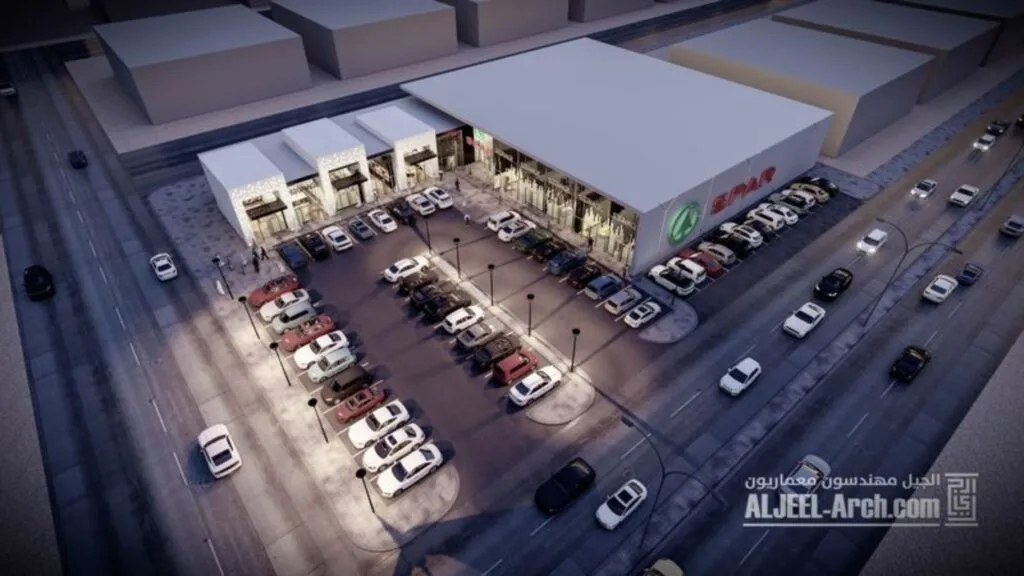
Are Commercial Projects Leaving Sustainability Behind?
There is a global push for green building, but sustainability often takes a back seat in budget-driven projects. This is a lost opportunity to make money and to build a reputation.
Sustainable commercial building design is not just an environmental statement; it directly reduces operating costs through lower energy and water consumption and also enhances property value and tenant satisfaction.
How to prevent it: Include shading for the sun, energy-efficient lighting, and recycling systems for water and materials that are amenable to being sourced locally and being durable.
How Does This Stack Up Against Residential Projects?
Similar problems are visible in the residential architecture of Riyadh, where the pace of urban growth has sometimes outstripped careful planning. The same principles, climate adaptation, code compliance, and future-proofing, apply across residential and commercial sectors, underlining the need for experienced local expertise.
Selecting the Right Design Partner
Avoiding these five mistakes is a matter of one decision: who you choose to design your building. Established firms have institutional knowledge that newer practices have not had time to develop.
Consultancy groups such as Claire Engineering Consultants in Omrania have helped set high standards within the design industry in Saudi Arabia, proving the impact of experienced consultancy groups in raising the level of project outcomes. Similarly, collaborating with experienced Saudi architects who have a deep understanding of global best practices and the local context guarantees that your project adheres to international quality standards and local needs.
Ready to Create Something Extraordinary?
Let’s design spaces that inspire, perform, and stand the test of time with expert architectural and engineering services.
Constructing Smarter for Saudi Arabia
By avoiding these five common mistakes, poor climate planning, inefficient layout, code violations, lack of scalability, and ignored sustainability, you can dramatically improve the success, longevity, and return on investment for your project. The secret is to work with a design team that has technical know-how and local knowledge.
At Aljeel Architects, we combine creative design thinking with a deep knowledge of the Saudi market to steer you clear of these pitfalls. We’re committed to designing buildings that look good today and change easily for tomorrow from concept to handover.
Contact Aljeel Architects today to discuss your commercial project and receive a custom design proposal!
FAQs:
What is the largest design flaw in commercial buildings in Saudi Arabia?
The most common and costly blunder is to not consider climate-responsive design, which leads to high energy consumption and discomfort.
How important is complying with Saudi building code?
Very importantly, nonconformance can cause delays to the project, fines, and failed inspections.
Does sustainable design cost more up front?
Small but significant. Adds value to the property and reduces long-term operating costs.
Can existing buildings be retrofitted to overcome these problems?
Yes, but retrofitting is usually more expensive than fixing problems in the original design.
How to find the best architectural firm in Saudi Arabia?
Seeking proven local experience, knowledge of code, and a portfolio of climate-smart and scalable designs.